Fully electric
Compact roasting options
Automated
Repeat saved roast profiles
8–10 lbs/hr
Hyper real-world production*
Up to 8 hours
Cooperative roast development
300g–3.0kg
Micro Roast-Master capacity
300g–1.2kg
Hyper capacity
Fully electric
220V single-phase
NIR heating
Center-placed near-infrared heat source
Would roasting our own coffee save us money?
For an independent coffee shop, the opportunity starts with the difference between buying finished roasted coffee at wholesale and buying green coffee to roast in-house. The answer is different for every shop, so we don’t publish a blanket savings percentage or a one-size-fits-all break-even claim.
A shop using about 10 pounds per day would go through roughly 3,650 pounds per year. Your actual economics depend on your current coffee cost, green-coffee cost, volume, roast loss, labor, equipment, and operating expenses.
Develop the coffee with skill. Repeat it with automation.
Creating a roast profile still takes tasting, experimentation, and roasting knowledge. Automation does not replace that work. Once a profile is developed, however, Rubasse’s profile-replication systems are designed to reproduce saved roasts by automatically adjusting the machine during production.
We’ll help you develop your first coffee profile.
Rubasse helps your staff repeat it.
A roasting program doesn’t always require a separate roastery.
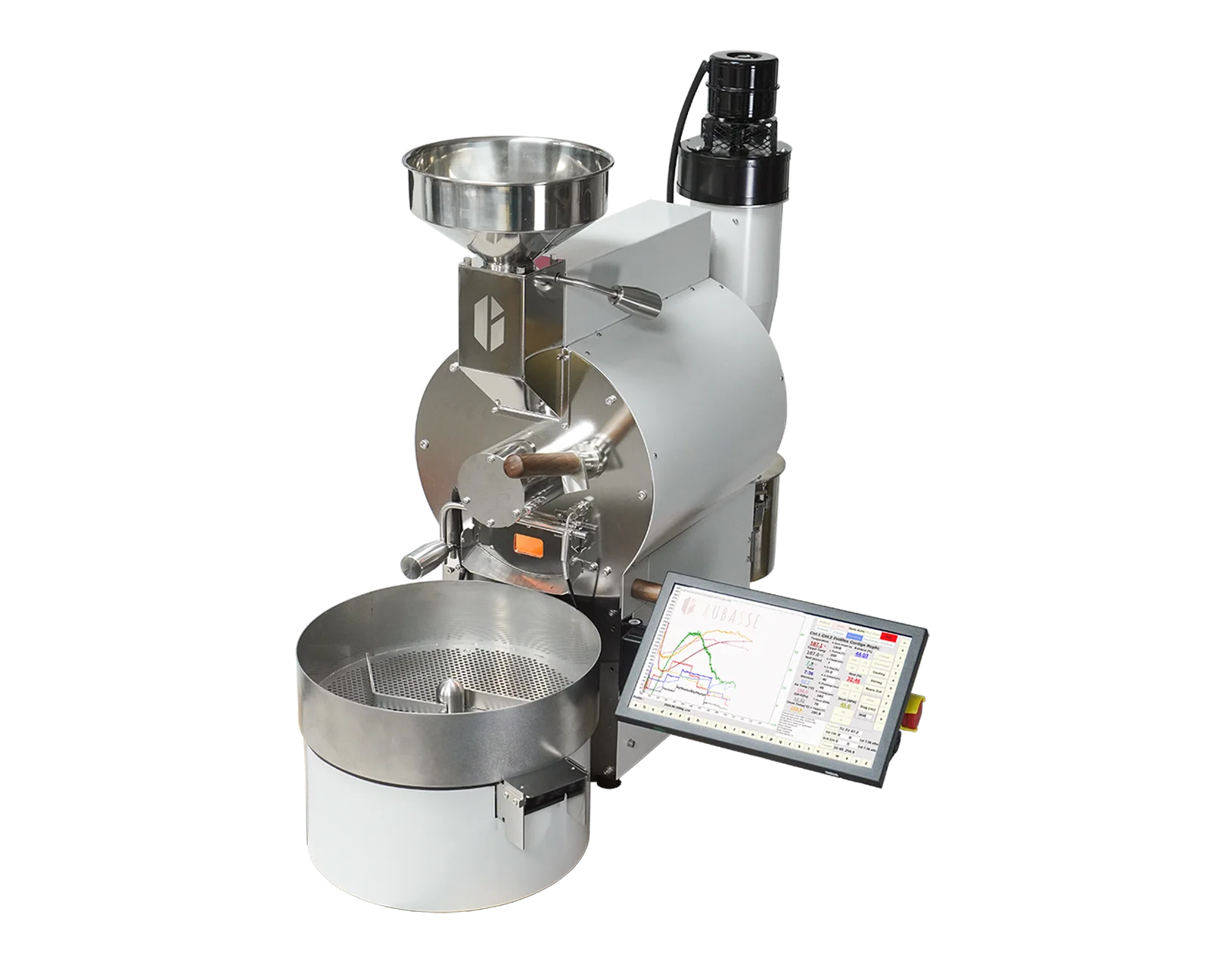
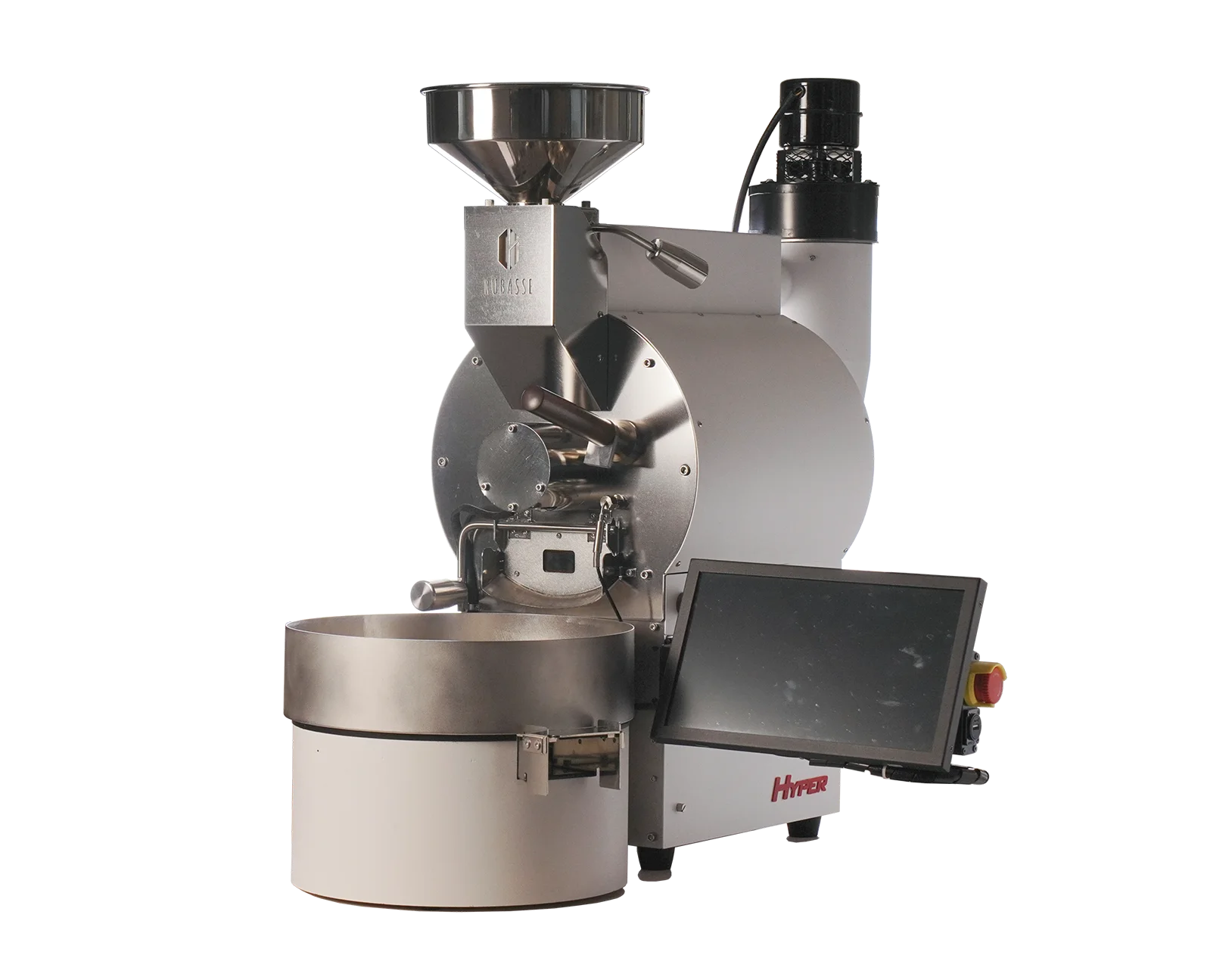
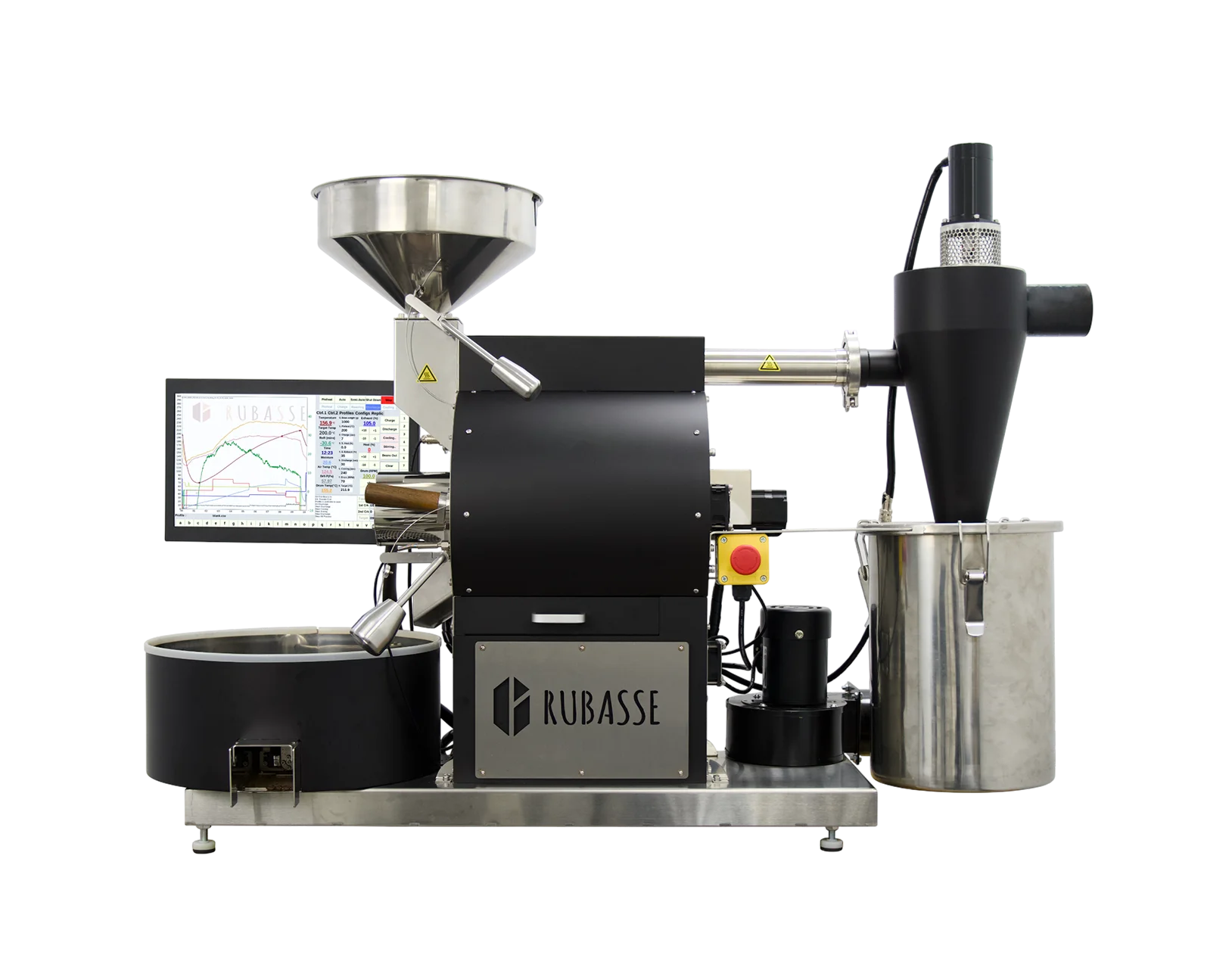
The Hyper 1.2kg is a fully electric tabletop roaster and the primary Rubasse model we feature for independent coffee shops. For early space planning, allow approximately 36″ × 20″ for the machine area, then confirm the final installation requirements for your specific location.
Its compact format makes it possible to think about roasting inside a working coffee-shop environment rather than assuming you need a large dedicated production facility.
Meaningful production in a compact format.
In real-world use, the Hyper can produce approximately 8–10 pounds of roasted coffee per hour, depending on the coffee and roast level. Actual output varies by recipe, batch size, roast time, workflow, and operating conditions.
You leave with a coffee to serve, not just a coffee roaster.
Ty and Kristin trained with Rubasse in Taiwan and personally roast on Rubasse equipment. Freedman’s Finest provides U.S.-based support, helps with troubleshooting and maintenance, and coordinates directly with Rubasse when manufacturer involvement is needed.
Owner/operators can perform much of the routine maintenance, while Freedman’s helps you understand the machine and the roasting process from the beginning.
Training in Taiwan
Ty and Kristin trained directly with Rubasse.
Real roasting experience
Freedman’s roasts on these machines, not just sells them.
U.S.-based support
Troubleshooting, maintenance guidance, and direct Rubasse coordination when needed.
Roast development
Up to 8 hours of cooperative roast development is included with purchase.
Thumb Butte Coffee Co.
A practical example of bringing Rubasse roasting into an operating coffee business.
Choose for the business you want to build.
Rather than starting with specifications, start with your intended use. Capacity, available space, production goals, and how much coffee you need to roast will help narrow the right Rubasse platform.
Technical specifications are useful after you’ve identified the type of roasting program you’re building.
A factual side-by-side summary of the three Rubasse roasters featured at Freedman’s Finest Coffee.
Taiwan is known around the world for advanced semiconductor manufacturing, but that precision-manufacturing culture extends well beyond microchips. The country has developed major industrial clusters around precision machinery, smart manufacturing, electronics and semiconductor equipment.
Rubasse comes out of that engineering environment. Its approach to coffee roasting—sensors, digital controls, measurement, automation and repeatability—feels very much at home there.
We saw that engineering culture firsthand when we traveled to Taiwan to train with the people who design and build these machines.
The customer’s opportunity comes first. The story explains why we can help.
Ty’s search started with a need for better repeatability and control. He researched Rubasse, spoke with owners, traveled to Taiwan, trained with the manufacturer, purchased and used the equipment, and ultimately became a U.S. distributor.
That path matters because Freedman’s approaches these machines as working roasters first: equipment they learned, tested, maintain, and use to produce coffee.
Could roasting in-house make sense for your shop?
Tell us how much coffee you use, what you’re paying today, and what you want your coffee program to become. Ty can help you think through the economics, production needs, machine fit, and next steps.
Current coffee volume | Current wholesale cost | Space & production goals | Roaster selection